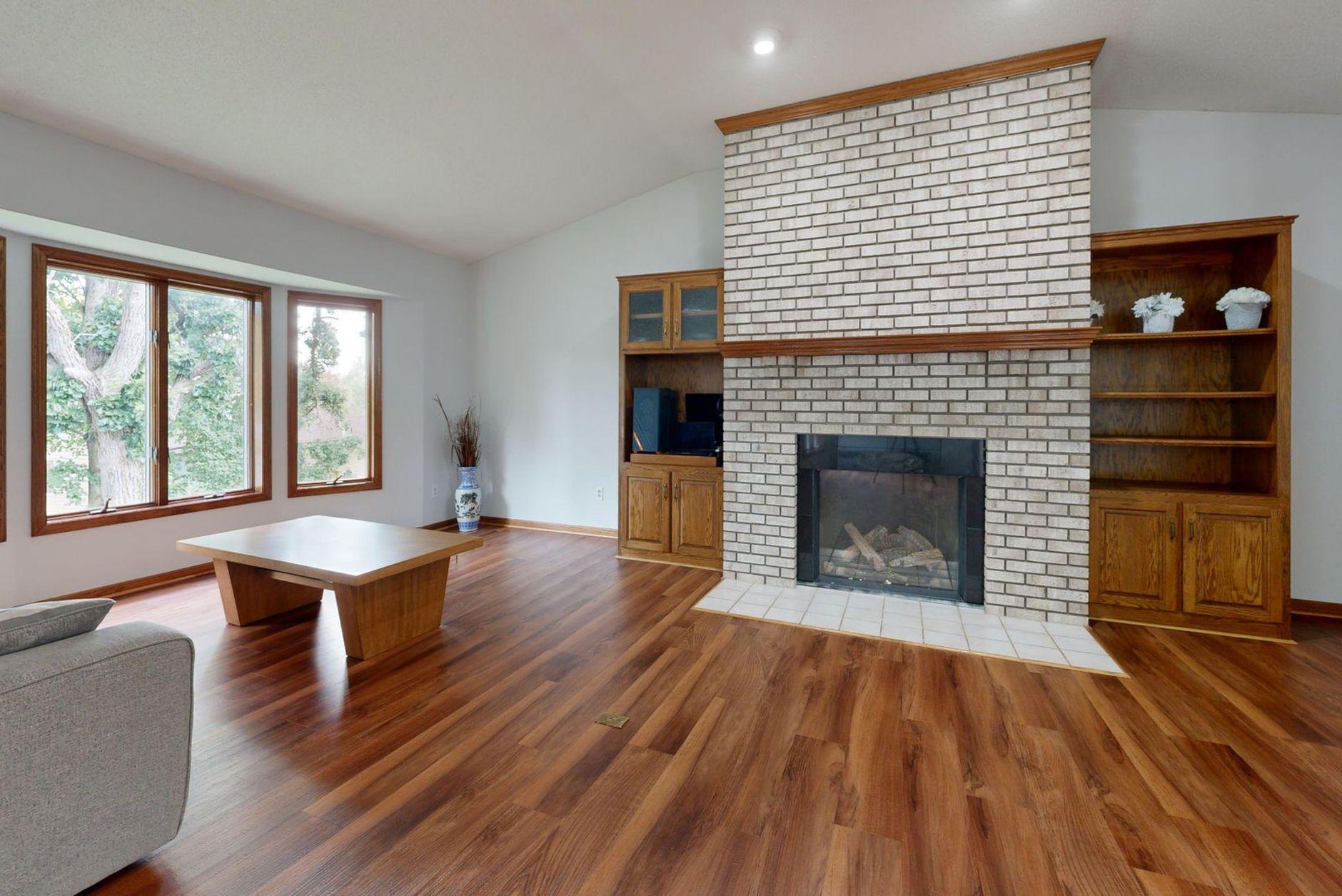
Once the camera footage from a burned flue is on the screen, the conversation in most La Palma living rooms turns to one choice. Can the chimney be saved with a new liner inside it, or does some of the brick have to come down and go back up? Sometimes the answer is both. This post explains how we tell the three cases apart and what each one means for the money.
Two kinds of damage, two kinds of fix
A chimney fire hurts two separate things, and it helps to keep them apart in your head.
- The flue. This is the passage the smoke travels through. In most houses around here it is made of clay tiles stacked inside the brick. Clay does not like sudden heat. When a fire roars up it, tiles crack, joints between tiles open and pieces can fall away.
- The masonry. This is the brick shell around the flue, plus the crown on top. Heat from inside can bake the mortar, push joints open and, on a stack that was already tired, shift the top courses.
A new liner fixes the first. A rebuild fixes the second. Which one you need depends on which part the camera and the roof visit show as damaged.
When a liner is enough
Relining makes sense when the brick shell is still sound and the damage sits in the tile. Typical signs:
- Cracked or split tiles, but the brick around them stands straight and its joints hold.
- The crown has hairline cracks at most, or it can be repaired on its own.
- No movement in the stack above the roof, no gaps where it meets the house.
In that case a stainless steel liner, sized to the fireplace or appliance it serves, runs from the top of the chimney to the bottom of the flue. It becomes the new passage for smoke, and the cracked clay stays where it is, no longer doing the job. A liner suits the fire case well because it can be inspected later on camera and gives a clean, continuous surface with no joints for residue to build up in.
When the brick has to come down
A rebuild of the upper section enters the picture when the masonry itself has failed. What we look for:
- Brick above the roofline that has moved, rocked or opened at the joints so the top no longer sits square.
- Mortar that crumbles to sand when probed, across several courses rather than in one spot.
- A crown that has split through and taken the top course with it.
- Heat cracks running through the bricks themselves, not just the mortar.
In those cases a liner on its own would be a new pipe inside a shell that cannot hold its own weight. The damaged section is taken apart by hand and laid back up with new mortar, a new crown and fresh flashing where the stack meets the roof. Most of the time, the work stops at the roofline or a little below it, where the brick is still sound. A rebuild from the ground is rare after a fire, and we only suggest one when the camera, the roof and the attic all point the same way.
When it is both
Many fire jobs end up as a combination: the top few feet of brick rebuilt, then a liner run down through the new section and the old one below it. This is often the most sensible answer for a chimney where the fire cracked the tile all the way down and also loosened the top. Doing both in one job means one set of roof work, one crown and one cap, which is usually less work than doing them a year apart.
What decides the price of each path
There is no published figure for relining or rebuilding on this site, and we do not round one off from a phone call. The written price comes from the footage and the roof visit, and it moves with:
- Height and size of the chimney. A tall stack takes more liner and more brick if it comes down.
- How far the damage runs. Two cracked tiles at the top and cracks the full height lead to different jobs.
- The fireplace below. Whether it burns wood or gas, and what is planned for it, sets the liner size.
- Access. A steep roof or a stack on a two story wall needs more setup.
- Water after the fire. Damp brick and a rusted damper add lines to the scope.
The camera visit itself is fixed: the Level 2 is $380, and that footage is what both options get priced from. To book it, send the form with the fire date and the kind of fireplace. A note on whether it burns wood or gas tells us which liner sizes to bring for the conversation.
What we would not do
- Line a stack that is moving. The liner would outlast the brick around it, and that is money in the wrong place.
- Rebuild brick that only needs mortar. If the joints are tired but the stack is straight, new mortar is a smaller job. We say so.
- Skip the smoke chamber. Whatever happens in the flue, the space above the damper has to be sound for the fix to work.
Questions owners in La Palma ask
Can I use the fireplace while I decide? Not until someone has seen the inside of the flue. After the camera visit we tell you plainly whether it can be used.
Will the house look different after a rebuild? We match brick where we can and say upfront when a perfect match is not possible on older brick.
Does the choice affect a future sale? A buyer's inspector will see the liner or the rebuilt section. A written record of what was done, and why, makes that part of the sale easier. Our page on chimney reports for a home sale covers what buyers look for.
For more on the brick side, see our chimney rebuilds page, and for the steel side, liner installation. If the cost question comes first, start with repair costs after a chimney fire.
Next move
The choice between a liner and a rebuild is made from footage, not from a guess. Head to our contact page, tell us the street and roughly when the fire happened, and we will set the camera visit that decides which way your chimney goes.
Does This Match Your Chimney?
Fielding Chimney Works is based in La Palma and covers La Palma and Orange County. After a fire or a smoke backup we film the flue, write up each finding with a dated photo, and price the repairs before any work starts.